Author: Anastasia

  • Celebrate St Joseph’s Day

    Celebrate St Joseph’s Day

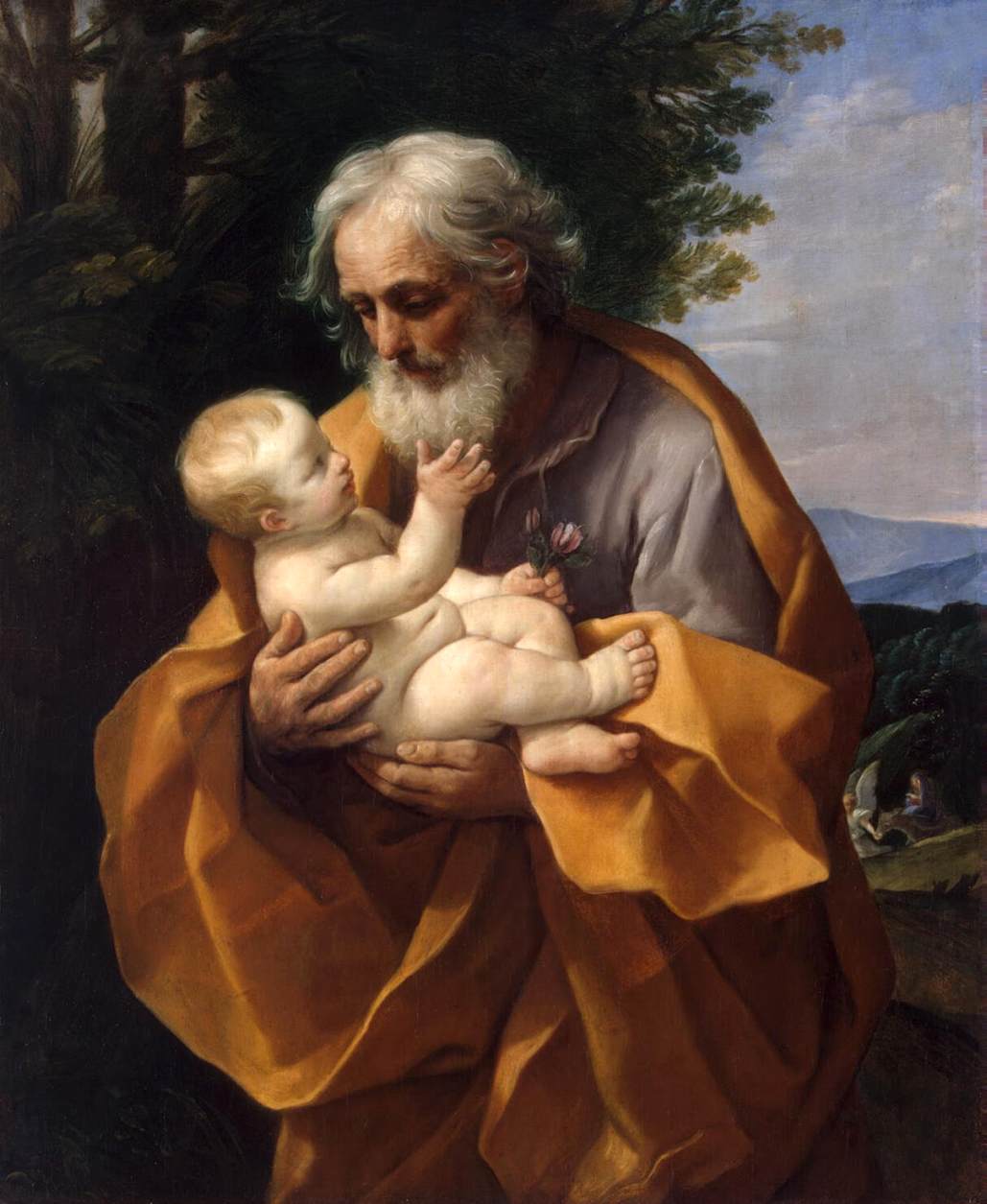
    Image: Guido Reni, Public domain, via Wikimedia Commons

    There is a story that during a severe famine in Sicily, the people prayed to St Joseph, who rewarded their prayers with showers of rain, or, a different version has it, by a huge crop of fava beans, and that this was the origin of the traditional St Joseph’s Table.

    A St. Joseph’s Table consists of three tiers (symbolical of the three members of the Holy Family, and the three persons of the Blessed Trinity). The top tier contains a statue of St Joseph, while the other tiers contain bread, pastries, flowers, and candles. Traditionally, some food was set aside to be given to the poor, and sometimes three people would dress up, as Jesus, Mary, and Joseph.

    In New Zealand and Australia, Saint Joseph’s Day is a Solemnity. My family has made a St Joseph’s Table almost every year for a long time. Since St Joseph’s Day falls in harvest time, we often fill our St. Joseph’s Table with home-grown produce, and make pumpkin pie with squashes from our veggie patch. Lilies are wonderful for the St Joseph’s table, and if, like us, you don’t have fresh ones, they’re pretty easy to make out of paper. Alternately, you can twist pipe cleaners into the shape of lilies, then dissolve borax in water, and soak the lily-shaped pipe cleaners in the borax water for a few days (just maybe don’t let young kids handle borax). You will have some beautiful lilies that look like they are made out of crystal.

    Other great ideas for St Joseph’s Day are to do a St. Joseph’s Novena, get to Mass, and pray the Litany of St Joseph as a family.

    Resources used for this article:

    St. Joseph Feast Day Celebration Ideas for your Home – Catholic Icing

    St. Joseph’s Table – Year of St Joseph

    Setting A Table For St. Joseph’s Day – Simply Catholic

  • Great Classical Education: Ambrose Button

    Great Classical Education: Ambrose Button

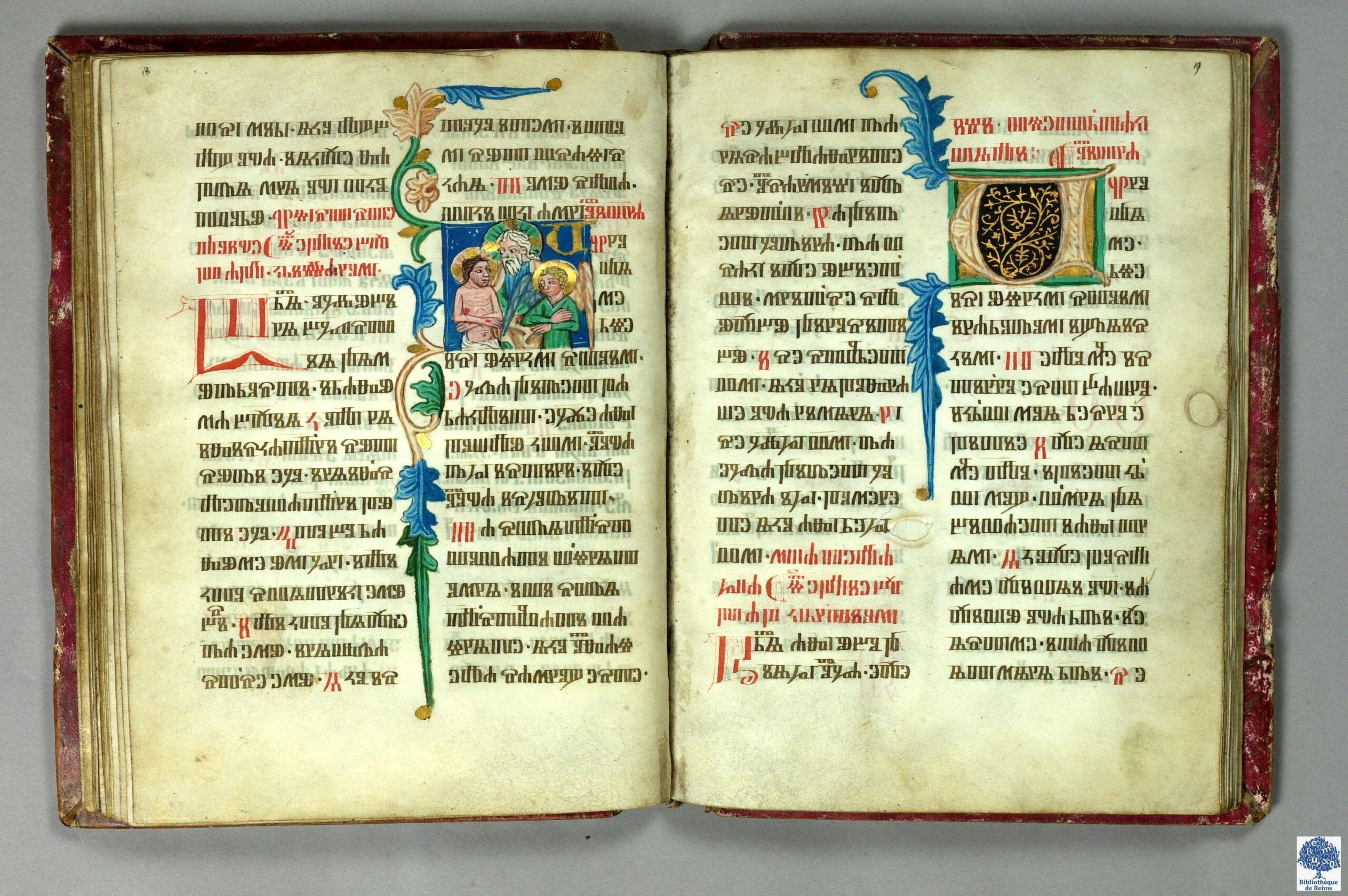
    Image Credit: Carnegie Library of Reims, Public domain, via Wikimedia Commons

    Ambrose was homeschooled all the way up, doing classes through Memoria Academy and Angelicum Academy, with some tutoring from uni students. From the four-year Great Books program he completed, he received university credits and started his BA at Campion College in second-year. During the BA, Ambrose has been on the Dean’s Merit List every semester. Ambrose says, “I am very grateful for being homeschooled and I do think I have benefited very much from the education I received.”

    Ambrose liked “how traditional and solid their [memoria academy] education is,” and how the Latin courses developed the memory. He mentions a Josephite nun who taught him to memorize things when he was very little. Memorization is such an important skill that is increasingly lost in modern education. Ambrose talked about how “reading and learning in the context of the family…really helped me in my homeschooling years” and how homeschooling “definitely laid the groundwork for me” to excel at university – studying humanities as a child prepared him to study them further as an adult.

    Learning through great books was like learning from, and having a conversation with, great intellectuals like Socrates. At Campion, Ambrose liked the classroom setting, but also the great conversations outside of the classroom. He says, “It’s one thing to sign up to a degree but it’s another thing to really engage with the material and it’s outside of class where you do a lot of learning as well.”

    Studying great books inspired Ambrose to complete the diploma of classical languages. Many great works of literature were not written in English, and there’s “so much deeper meaning when you understand one line in a text in its original language, it’s very powerful.” Furthermore, “as a Christian…many of our central texts are in Greek and Latin, like the Church Fathers and scriptures.” Ambrose mentioned St Bernard of Clairvaux, “one of…the greatest writers of his time, he wrote all in Latin…to one day be able to read that would be amazing.”

    Ambrose talks about Faith formation in homeschooling; “I do think that when it comes to formation in the Faith, it always has to start in the home…it’s in the context of your family life that you are able to grow in virtue and be schooled in the truths of the Faith.” Parents are there to be models and teachers in the home, and the father has a unique role as the priest of the family. Ambrose says, “I’ve a lot to be grateful for to my family” and mentions reading aloud with his family about the Lives of the Saints, and family prayer.

    After completing his BA in mid-2025, Ambrose plans to visit some Benedictine monasteries in America. He says his “desire to search out monastic life…was really made possible by the parish and the family that I’ve been formed by and the great…Catholic and classical education I’ve received.”

    When asked for study tips, Ambrose said, “if you wanna get your education done, you gotta obey your parents.” He also mentioned the temptation of using Facebook or the internet to procrastinate instead of writing an essay, and says “if there’s something to be done, just get it done. There’s no point in putting it off, ‘cause otherwise you just regret all the time you’ve wasted…You have to have a lot of self-discipline as a homeschooler, and if you don’t learn it when you’re young it’s a lot harder to pull it out when you’re older.” he recommends setting goals, like studying for an hour before taking a break; “it’s a virtue you have to grow in, but self-discipline is very important if you want to succeed as a homeschooler and then as a uni student.”

    Watch the full interview here

  • Homeschooling is “a lot of fun”: Rebecca Loretz

    Homeschooling is “a lot of fun”: Rebecca Loretz

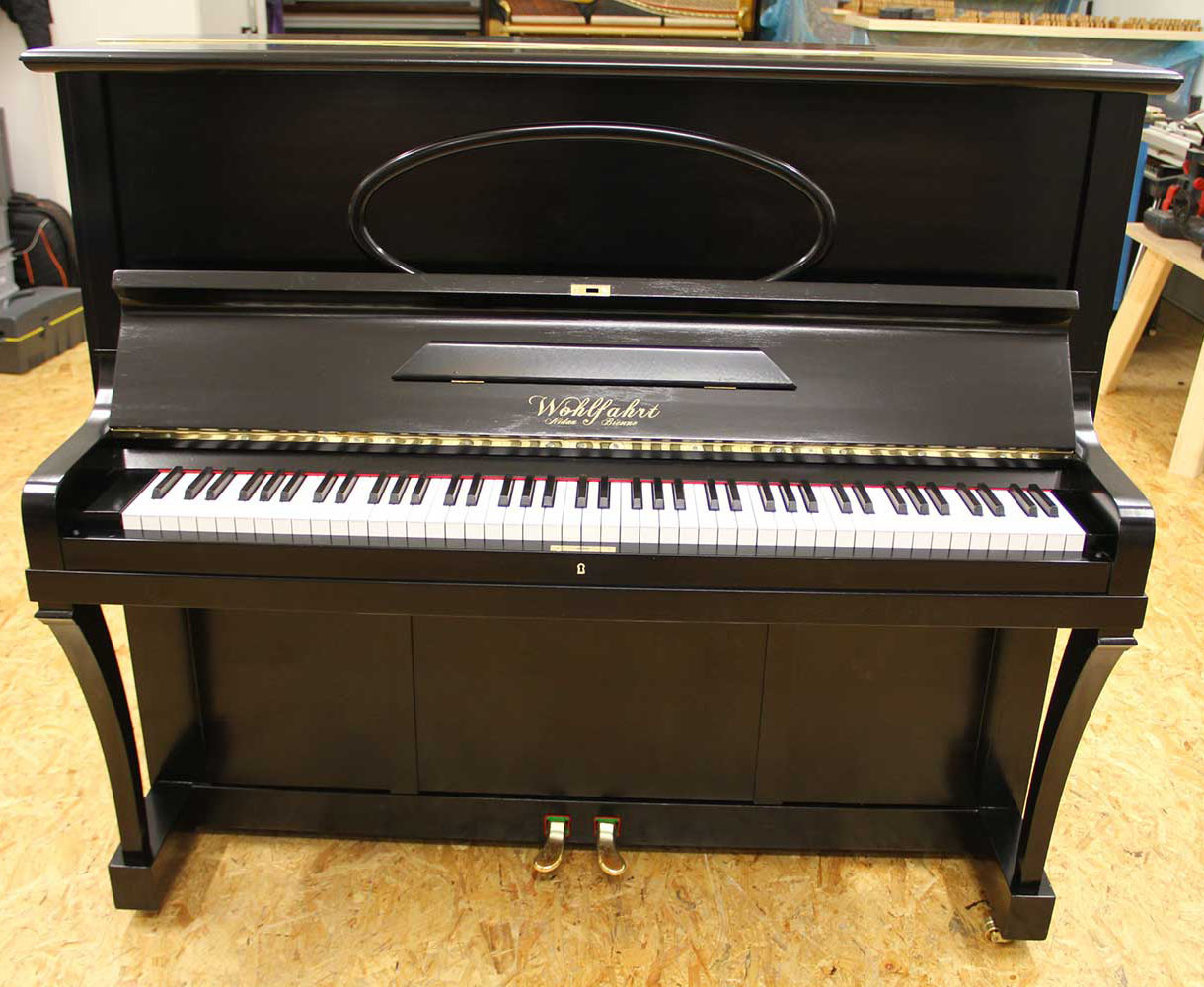
    Image Credit: Maddalena Ienco, CC BY-SA 4.0 https://creativecommons.org/licenses/by-sa/4.0, via Wikimedia Commons

    A mum of nine and grandmother of five, Rebecca Loretz has been homeschooling her youngest three children since November 2021. Originally, she didn’t plan to homeschool. Upon moving from Auckland to North Canterbury, she encountered a large community of Catholic homeschoolers. Lockdown and the vaccine mandates “pushed me into thinking, ‘I really want better for my children.’” She thought homeschooling “could be a lot of fun” and would allow her to “cater the education to my individual child.”

    Before having children, Rebecca was a primary school teacher. She compares homeschooling to the classroom; “while there are a lot more on-hand resources within the school, there’s not as much individual time.” When homeschooling, “you’ve got a real interest and a real emotional connection with this child – this child is your child, you want your child to succeed – and while I wanted all of my children in the classroom to succeed, the lack of time meant that it wasn’t always possible.” There are now many resources for homeschooling. Rebecca has used Twinkl, The Good and the Beautiful, and Homeschool Connections. She says “the biggest resource is your community,” and communities can be very helpful in finding online resources

    On the all-too-famous topic of socialization, and balancing social life with schoolwork, Rebecca said “I recognized that my children were not going to miss out socially.” Sometimes there will be times when you have more “outside-the-classroom education” or more time sitting down doing schoolwork.

    Rebecca said, “I see the religious formation and education of my children as the number one thing.” The Loretz family are close to the Beatitudes community, which helps to develop the children’s Faith through Mass most days, regular morning prayer, adoration, and vespers. They also participate in Little Flowers group and Lectio Divina, and sing in the choir.

    After prayers, the first thing in the school day is piano practise. With multiple pianos at their house, as well as a clarinet and lots of singing, the Loretz family are “surrounded by music.” Rebecca notes that homeschooling isn’t limited to school hours – Tecorians, the public speaking group they are involved in, is in the evening, and “I do see that as part of the kids’ education”

    Another educational aspect of the Loretze’s life is their lifestyle block, which gives them “a lot of opportunity for fixing thing, for looking after animals…our recent endeavour has been milking the cow.” Rebecca speaks about “the joy in being able to plant something and then eat it – or plant something, see it grow, and then go, ‘I hate that. I don’t like eating beetroot, but I’m glad you like it mum. I’ve grown it for you.’” They enjoy living close to the beach, with many lovely walks nearby.

    Her advice to every homeschooling mum is “your community is important,” and “keep going, even when it gets a little bit hard.” She emphasizes the importance of enjoying it, mentioning that, “you won’t keep doing it if you don’t enjoy it. The kids have to enjoy what they’re doing too.”

  • A Kiwi Homeschooled “Campionite”: Anna Alexander

    A Kiwi Homeschooled “Campionite”: Anna Alexander

    Image Credit:
    Michal Klajban, CC BY-SA 4.0 <https://creativecommons.org/licenses/by-sa/4.0>, via Wikimedia Commons

    Last year in December, on a boiling hot summer Sydney day, Anna donned an academic gown and graduated with a Diploma in Liberal Arts at Campion College. Anna was among the seven students at Campion who were from New Zealand, as was her brother Bede who graduated with her.

    Prior to Campion, Anna was homeschooled for four years, with her siblings. In 2023, she spent time at National Trade Academy, and worked in a Waipara vineyard. She also completed the Campion bridging program in preparation to study there in 2024.

    At Campion, Anna studied philosophy, theology, history and literature. Her favourite was history. She took the opportunity to visit Sydney beaches, and travel to Cairns, Culburra, and Melbourne with her Australian friends. She also participated in Christus Rex, a 90 kilometre pilgrimage between Ballarat and Bendigo.

    When asked about what she enjoyed most about Campion overall, Anna said, “the academic environment encouraged great discussions with peers and an environment where people were open about their views and open to others. This helped me to have a broader mindset and put thought into my own beliefs and decisions.”

  • St. Thomas More Trust

    St. Thomas More Trust

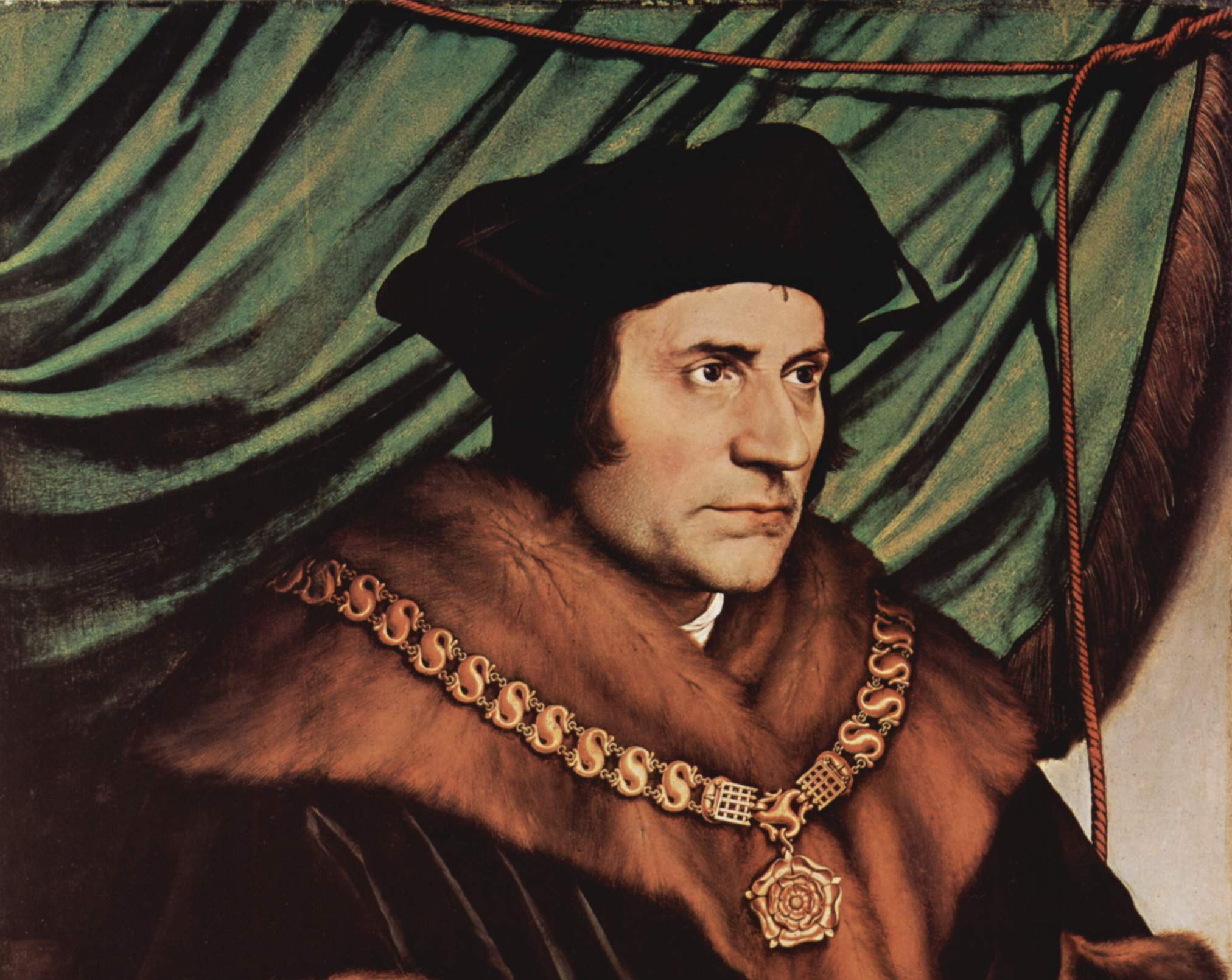
    Image: Hans Holbein the Younger, Public domain, via Wikimedia Commons

    If you happened to be a fly on the wall in a particular little classroom near Christchurch, NZ, in October 2024, you may have seen a group of children, age eleven to thirteen, listening to lectures on Dickens’ A Christmas Carol, Barrie’s Peter Pan, and Collodi’s Pinocchio, and discussing these books. If you happened to be a fly on the wall in the next room, you would have been among high-school aged children, learning about and discussing the works of Bronte, Lewis, Chesterton, Tolkien, and Austen. And if you happened to be a fly on the wall for a little longer, you may notice that this also occurred in 2023, and is scheduled again in 2025.

    These intensive study courses are an initiative of the St Thomas More Trust, an organisation “for the promotion of liberal arts within the classical tradition across all age groups.” (Facebook page) The St Thomas More Trust brings the liberal arts to New Zealand, helping to educate people in a way that will form their minds and strengthen Faith. Besides discussing sound Catholic Theology, the students at the intensive attend Mass. All members of the founding committee are parents of large Catholic families, eager to provide their children with a solid, Catholic education. Many of the attendees and organizers of St Thomas More Trust events are homeschooled students and their parents.

    Speakers at events have included Dr. Paul Morrissey, President of Campion College, Dr. Stephen McInerney, Dean of Studies at Campion College, Ben McCabe, Founder of Augustine Academy, Eliza McCabe, lecturer at Augustine Academy, Dr. Robert Loretz, and Steven Woodnutt. Campion College offers degrees and diplomas in liberal arts from its NSW campus. Augustine Academy is a unique institution which provides a one-year liberal arts course to high-school aged students.

    After a successful year of 2024, including the intensive course, a literature workshop delivered by Dr. McInerney, and an event for Catholic secondary school teachers, the St Thomas More Trust is planning some wonderful events for 2025. You can read more on their website or follow them on Facebook, to learn more about how they help educate and form local Catholics of all ages.

  • Observing Lent at Home

    Observing Lent at Home

    Image License: Feldbrahi, CC0, via Wikimedia Commons

    St Francis de Sales said, “Lent is the autumn of the spiritual life during which we gather fruit to keep us going for the rest of the year.” Unlike many Catholics in the world, we Oceanians have Lent in Autumn. Here are a few suggestions to help observe it in the family:

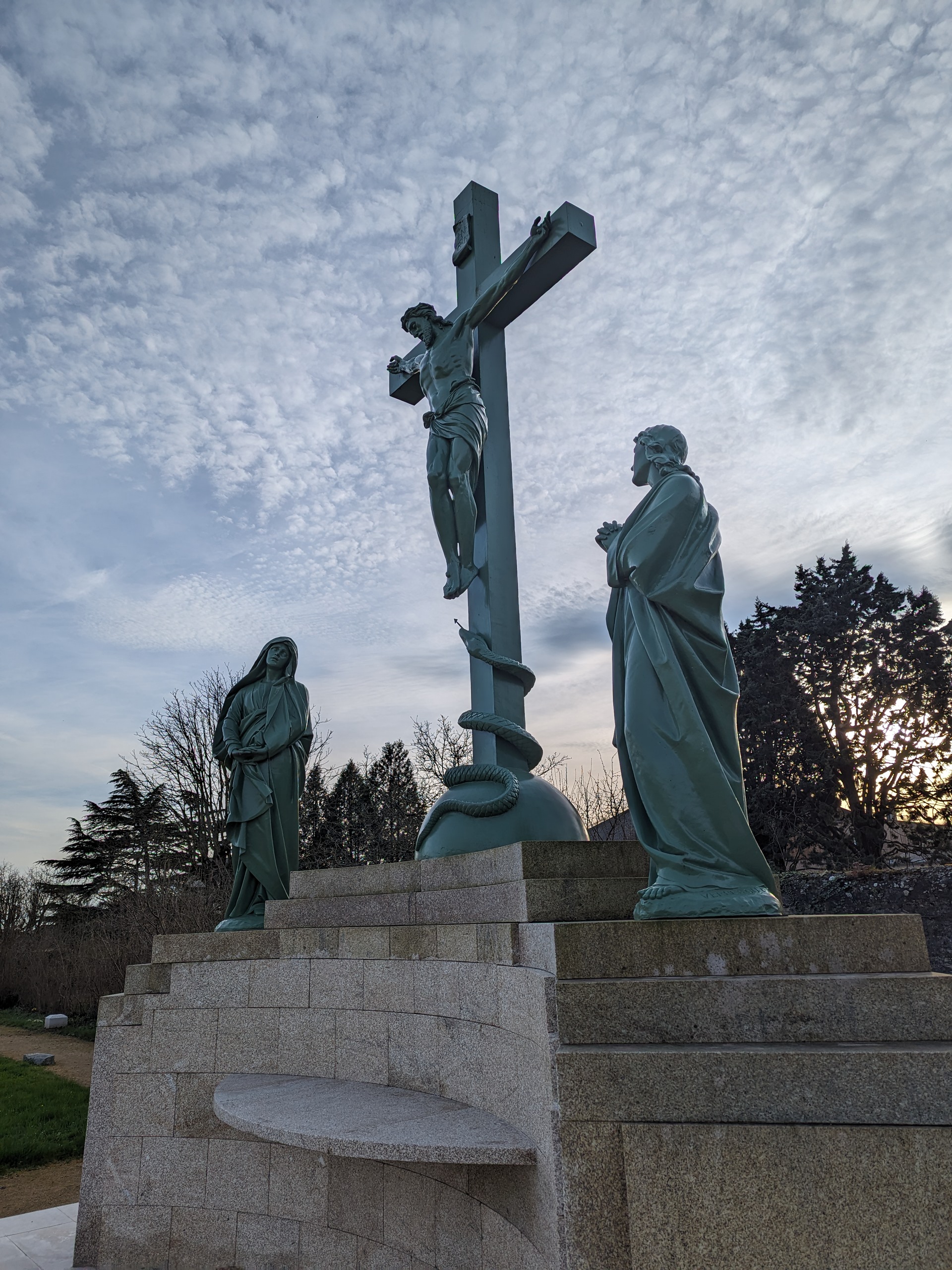
    Lent is a great time to pray the Stations of the Cross and the Divine Mercy Chaplet. My family has nailed fourteen crosses to trees around our land. On Fridays in Lent, we frequently invite friends over for Stations of the Cross, praying one station at each cross.

    Some other Lenten traditions my family has are: decorating big letters to spell “Alleluia” and burying them, to be dug up after Easter; using purple cloth on our family prayer table; making “crown-of-thorns” with salt-dough and toothpicks, and pulling out a thorn every time we do a good deed.

    Wishing you all a blessed Lent!

  • Little Flowers Group

    Little Flowers Group

    By Deidre Light, group organizer

    Image license:
    Unknown photographer, Public domain, via Wikimedia Commons

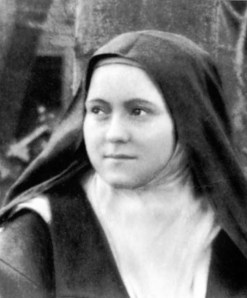
    Inspired by the little way of St Therese, the Little Flowers Club is an American programme designed to help young girls grow in virtue and friendship with one another. Our club, based at the retreat house of the Beatitudes community, began with just seven girls in mid-2022. By the grace of God, the group is flourishing and has grown to seventeen girls – what a blessing!

    A typical Little Flowers session begins with an opening prayer and introductions, followed by discussion about the virtue and saint for the month, a craft page, adoration in the chapel, shared afternoon tea and an art activity –  usually something relevant to the virtue or the liturgical calendar. The programme includes a wide range of wonderful female saints, some that are little-known, helping us get to know our “heavenly friends” from all walks of life. Once a year, we also do an amazing race in teams around the Fourviere grounds with faith-based and physical challenges, a special highlight for many of the girls. Local home-schooled teenage girls assist each month, fostering opportunities for leadership and tuakana-teina relationships.

    My favourite thing about the Little Flowers club is seeing the girls hang out with religious sisters. Sister Giovanna-Maria and Sister Rosa support the group with such zeal, good humour and enthusiasm. This is a rare and special opportunity these days, and their contribution to these impressionable youths cannot be overstated. Their beautiful, humble examples of service to God may ignite future religious vocations among the next generation!

  • Drama, history, & the garden: Gemma Morton-Jones

    Drama, history, & the garden: Gemma Morton-Jones

    Image courtesy of Gemma Morton-Jones

    In a slightly obscure corner of Campion College’s beautiful campus in Toongabbie, there is a cheerful little veggie garden patch, neatly laid out and well-cared for. A friendly little group, aka the Campion gardening society, looks after it. Both the gardening patch and the gardening society were an initiative of Gemma Morton-Jones, a former Kiwi homeschooler who studied at Campion in 2024.

    Gemma is the second youngest of six, and was homeschooled all her life, except for one year. While homeschooling, she completed speech and drama exams. In 2023, she took a gap year, went to World Youth Day in Lisbon, worked in a plant nursery, and attended Hearts Aflame, a young adults’ summer camp. In 2024, she completed her diploma at Campion. Her favorite subject was history. She also participated in the Campion skit night, and acted as Margaret in Much Ado about nothing.

    About her time at Campion, Gemma says, “I think the pros of Campion was that I had to work to deadlines, which I never really had with Te Kura (I was with them for about 2yrs), and a con would be being away from family, but…the community at Campion was a family-like scenario.” This year, Gemma is studying history at University of Canterbury in Christchurch, New Zealand.

  • The “good and true and beautiful”: Elizabeth Boerdam

    The “good and true and beautiful”: Elizabeth Boerdam

    Image license:
    AKibombo, CC BY-SA 4.0 <https://creativecommons.org/licenses/by-sa/4.0>, via Wikimedia Commons

    The noise died down in the room, giving way to silence. Dr. McInerney, the Dean of Studies at Campion College, read out the names of students who had excelled academically. Elizabeth Boerdam walked up and received a certificate, surrounded by the applause of friends, fellow-students, and lecturers. Elizabeth achieved a weighted average mark of high distinction, and the highest grade of the first year class. She qualified for an academic excellence scholarship, and was also awarded the “The Lord is Our Shepherd” book grant. Today, she joins Oceania CHS to talk about how being homeschooled helped her to succeed at Campion.

    Elizabeth was homeschooled all her life, and says:

    I definitely think it helped me. The main way it did was helping me manage my own time. Because in university it’s different from school, in that at school, you have your teacher there to constantly remind you when things are due, what you ought to be studying, what your answers to questions ought to be… in university your professors will give you your assignments at the beginning of the semester…and its up to you to form your own relationship with the material so that you get those assignments done on time and you’re prepared for all your exams. Homeschooling was very much the same for me.

    She also highlighted how “Homeschooling gave me the opportunity to study what I am genuinely interested in and good at.” Elizabeth has always loved books, and talks about when she read the hobbit at age eleven and “fell in love with Tolkien’s writings.” In a book, you encounter “a world that is different from your own, but the lessons that you learn in that book and the reality it presents, it always translates back to the reality which you live in.”

    To attend Campion, Elizabeth moved from her Brisbane home to NSW. She said “it was a very big adjustment…you get homesick…but at the same time, it was such a rewarding experience, because you learn so much about yourself, you learn how resilient you are.” About studying there, she said “I liked all of it.” She mentions enjoying tutorial discussions, both when others agreed with her and when they disagreed, because then she got “to have a really fun conversation about why you disagree.” She said “history had never been my favorite subject [but] I was finally about to see that history was so much more than just dates, and battles, and boring people that lives thousands of years ago. It was this amazing story of people in different times, with different cultures, and how that has affected the way we see the world today.” She also enjoyed reading the Iliad, the Aeniad, and Aeschylus, and studying metaphysics.

    She says, “I think that both homeschooling and Campion have definitely helped my Faith journey…homeschooling really gave me a very solid basis, where I was really just surrounded by that which is good and true and beautiful.” Through being homeschooled, she was able to become firmly grounded in her Faith. Later, when others disagreed with her or became frustrated, “it was never something that made me question my Faith” At Campion, she loved being so close to a Chapel that “Our Lord was always just a flight of stairs away from me.”

    Elizabeth gave a study tip: “Write it out. Find yourself a planner, find yourself a timetable,” so that you know “what exactly you need to have done.” She recommends “being very clear on what exactly the exam or the essay is going to be like, what criteria you need to meet” in order to avoid spending time studying what you don’t need to, or missing important material. She says “procrastination is the enemy.” Often, if she feels like she can’t study she’ll go for a walk beforehand, and she will take breaks. She says, “don’t just sit in your room and study without giving yourself the rest you need, but also don’t just have a good time and forget about the study side of uni life.”

    Watch the full interview here: https://youtu.be/In3MTjKDHcE

  • “Watching my children learn” Deborah Marambos

    “Watching my children learn” Deborah Marambos

    A mother of ten, Deborah Marambos has been homeschooling for fourteen years. She talks about how, coming from South Africa, she lived in England and struggled through the “dark and cold” English winters. She “couldn’t get my head around the idea of sending my four year old to school where they were going to spend most of their daylight hours in the winter behind a desk” At a similar time, she stumbled across a book on homeschooling by Kimberley Hahn, and “I was very interested to know why Kimberley Hahn had decided to homeschool, because I’d read a lot of her husband’s books, and I kind of saw them as model Catholic parents.” Deborah was “just amazed at the possibilities of homeschooling, what you could do as a homeschooler…the vision sort of gripped my imagination and I started to pray about it.” She also met homeschool families and was “very impressed with their children, specially their teenagers, they were particularly social and very kind, close with their siblings, and they were very good at holding a conversation with an adult they didn’t really know.”

    In response to the all-too-familiar socialization question, Deborah replies, “well, there are twelve of us in our house and socialization’s not really a problem.” She mentions her children have opportunities to socialize; they see people at sports, and Church, and also know other homeschoolers. It is important that “the kids spend time amongst adults, older siblings, so they can learn how to talk across the generations and talk to people with different interests to themselves.”

    She says balancing social time, family time, and schoolwork can be “quite difficult at times.” Life changes; you’ll have to do things differently when you have a new baby, or you might do more extracurricular things when you have teenagers. She says “we’ve just had to have a routine that was quite fixed in some ways, and then in other ways quite flexible.” She “found the things that works the best for me is…to take it term by term,” planning one term at a time.

    A routine also helps to spread her time out between all the children. Sometimes one child might need a bit more help, or another child might be doing a lot of extracurricular activities and need less attention. Deborah notes, “I’ve had a lot of help from my older children looking after younger ones.” Sometimes she has had people coming in to help with cleaning, cooking, and housework.

    About learning difficulties and health problems, she says “that’s been really challenging and its not something I foresaw when I decided to homeschool. I’ve learned a lot. I didn’t know much about some of the health problems we’ve had and I didn’t know much about specific learning disabilities.” She found it helpful that there were other moms out there who knew more about these things, and organizations and computer programs to help. She says, “sometimes you have expectations that you have to do so much…or your child has to do a certain amount, and if they’re struggling with a chronic health problem you have to be able to adjust that, you have to pray a lot.”

    Deborah used curricula and online classes from Mother of Divine Grace School, an American distance school, “to educate our kids in ways that I couldn’t.” She loves homeschooling because it has “given [the children] time to explore some of their own interests” and “they’re able to just be themselves.” She uses a “lot of books, a lot of Catholic books have helped me to learn along with my kids, ever since they were little…we’d try make it an effort every day to read some kind of Catholic book, Saints book, or the Bible.” She’s also used resources from Catholic websites to help bring the Faith into daily life, as well as Formed (Formed | On-Demand Catholic Movies, Audio Books, Podcasts & More), Augustine Institute (Augustine Institute | Catholic Educational Apostolate & Theology Graduate School ), podcasts, CDs, and “Mother of Divine Grace has got a great religion program which I think has helped to form the kids, and me as well.”

    She finishes with these reflections:

    “One of my favorite things about homeschooling is watching my children learn, especially those kids who have struggled, to see them actually achieving goals where they’ve had to put in a lot of effort [and] having everyone together…I appreciate that time, because it goes very quickly. One of the hardest thing about homeschooling is that as a mom you always feel like you’re never good enough, and its really hard to sort of overcome that, and just trust that its enough, that you teaching your kids, that’s enough, that God is using you, and that he’s happy with that, and it’s enough for your kids. You know, it might not be the greatest education, or it might not be the most creative or as good as you’d like it to be, but it’s good enough.”

    Her advice to every homeschooling mom is: “Pray and persevere. Don’t give up.”