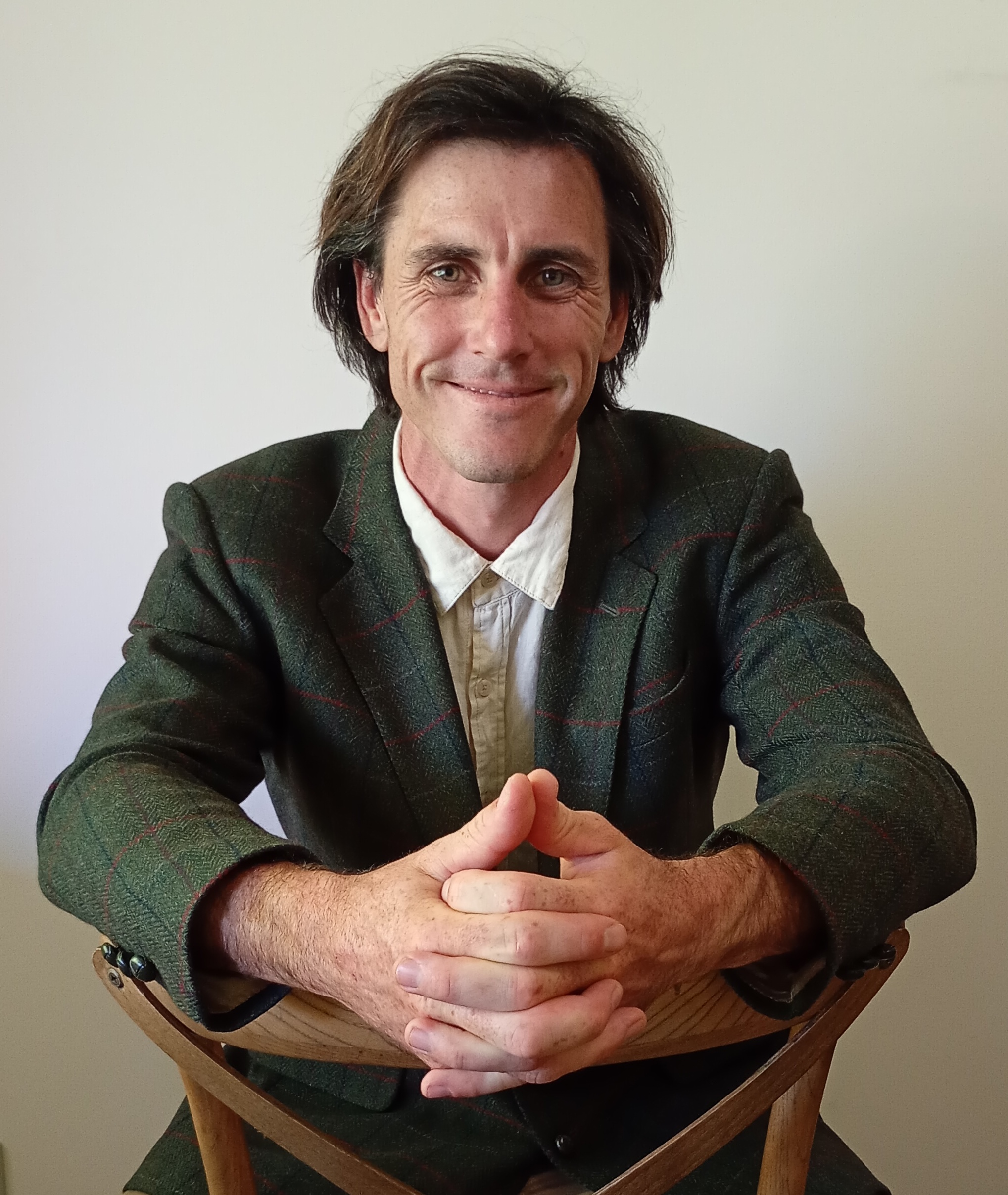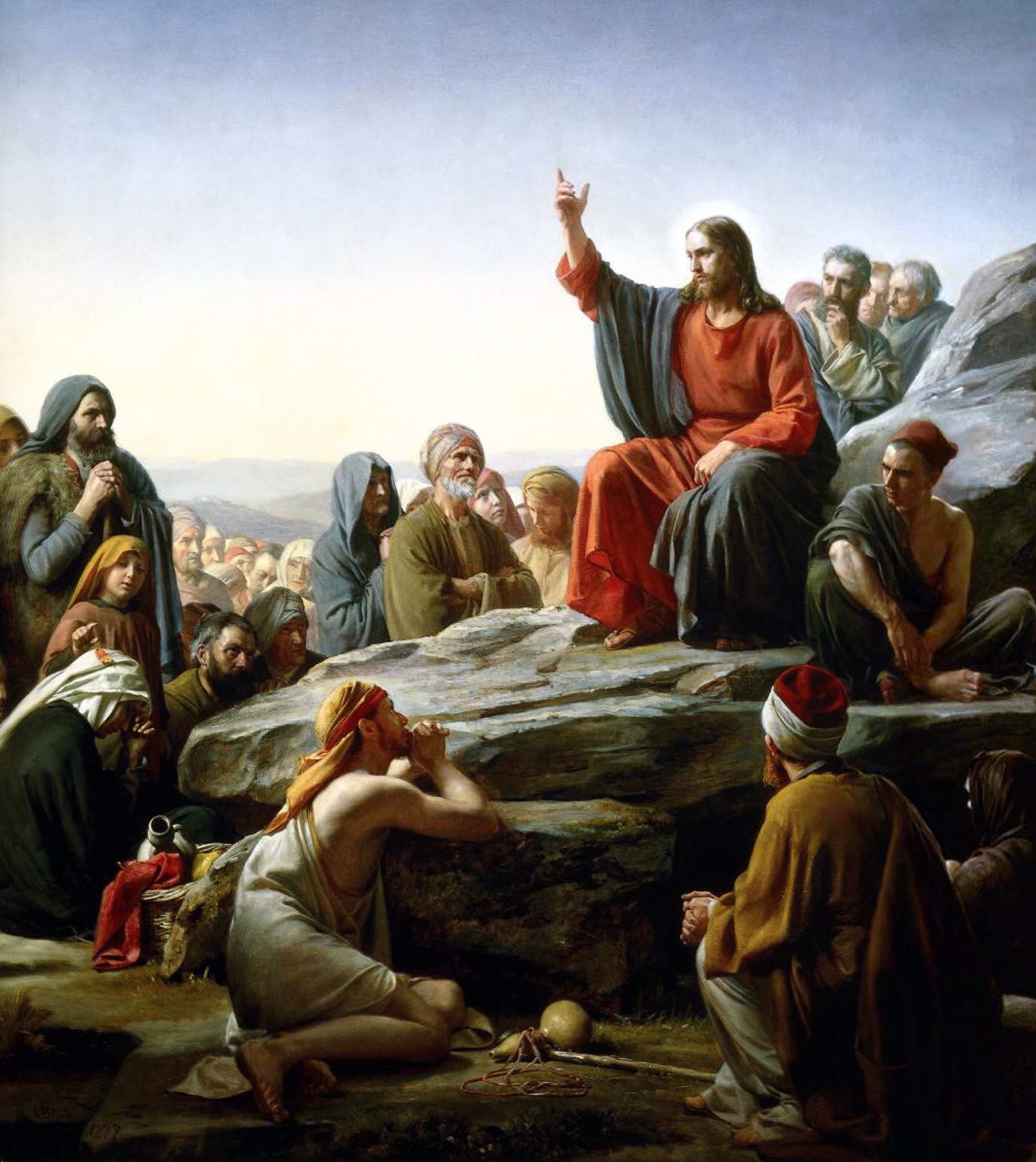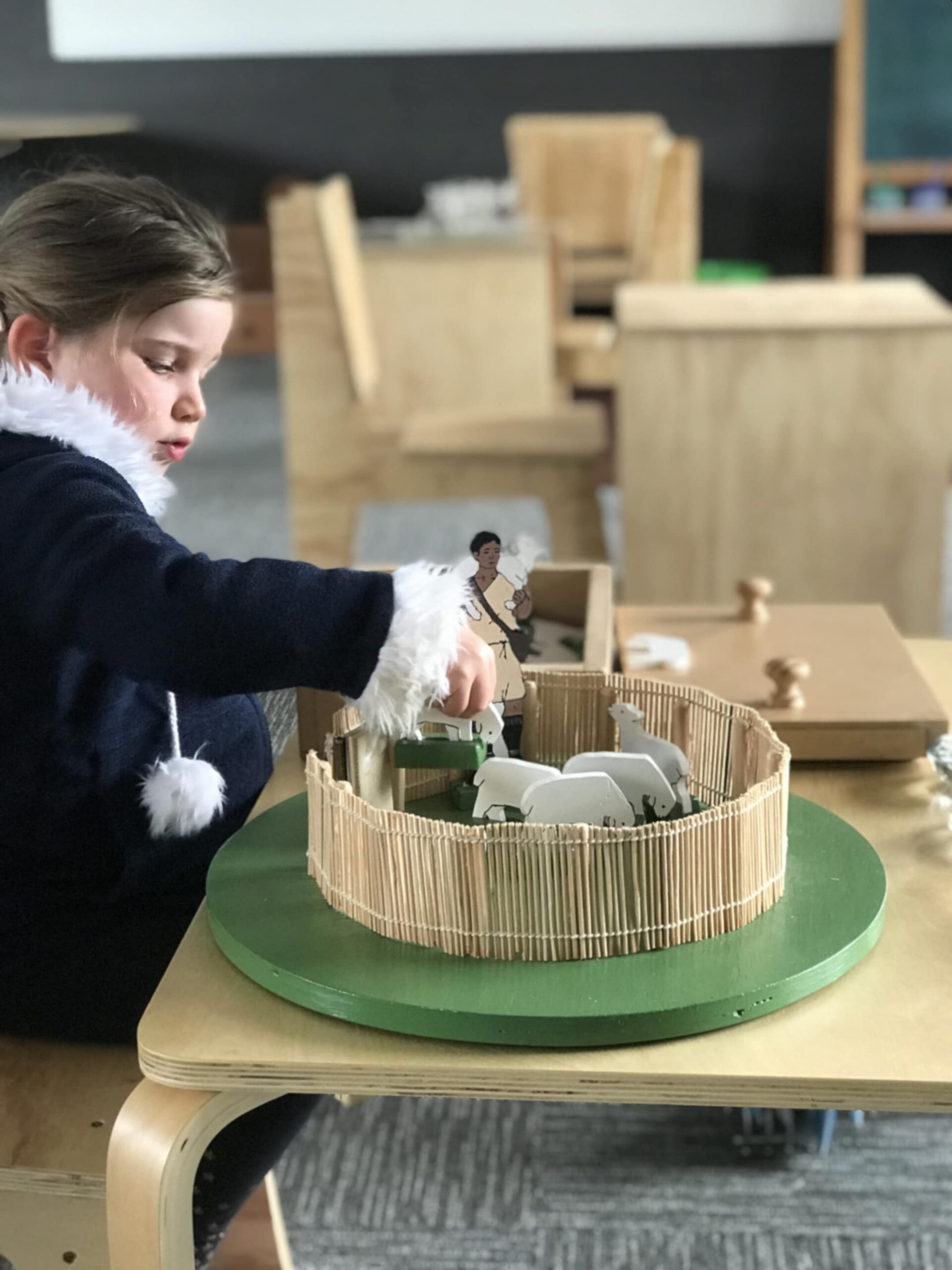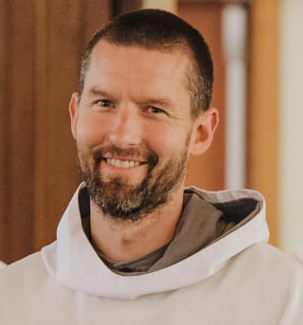
Fr. Philip is a priest from the Community of St John, and among the brothers assigned to the Holy Family Parish, Christchurch West. Despite an extremely busy schedule, the brothers make time for daily study, which is an important part of their vocation. Fr. Philip shares his love of study, and explains why it cultivates a relationship with God.
Christ said, “I am the way, and the truth, and the life;” (John 14:6) This is why intellectual formation is such a vital aspect of Brothers of St. John’s charism; Fr. Philip explains, “we have a robust search for the truth, and a search for the truth is ultimately a search for God.” The purpose of study is “to conform our minds and our hearts with the truth.” Study is one of the four pillars of their order, along with prayer, apostolic mission, and fraternal life.
This “fervent and robust search for the truth…implies a philosophy,” and this philosophy “would be really seeking out who the human person is, the big questions of life, and grounding that in a realistic view of the person and reality.” This is why Aristotle and Aquinas are so excellent. “A good philosophy helps us to a good and precise and robust Theology; and Theology helps us to contemplate God.”
Fr Philip explains that while philosophy and theology “will nourish our prayer life, the life of study also has implications for the apostolic life; we are able to give what we’ve contemplated, and we hope that it also nourishes our fraternal life in which we search together and grow together as brothers.”
Asked whether this was important for the laity, Fr. Philip replied, “100 percent. Those four pillars are human pillars. It’s for everybody. We’re made for community. Everyone is called to prayer. Every Christian is called to be an evangelizer, to use their gifts and talents to build the kingdom of God. Every human is meant to develop and grow into virtue, especially those highest virtues which have to do with the mind and the heart. Intelligence is made for truth, so that is something to realize that potential of the mind, and that’s what virtue is, realizing the potential of the mind to attain truth. In that sense too, everybody’s got a unique path in their intellectual life and their life of study, it’s going to be very individual, but there are ways that are better than others insofar as they help us to stay grounded, using our reason in ways that are aligned with holiness, virtue, friendship.”
I asked Fr. Philip if he had any book or resource recommendations, specifically for busy parents with five minutes at the end of the day. He quoted St. Paul, “whatever is true, whatever is honorable, whatever is just, whatever is pure, whatever is lovely, whatever is gracious, if there is any excellence, if there is anything worthy of praise, think about these things.” (Philippians 4:8) and explained, “what you fill your mind with, where your heart is going, that is what is going to influence, condition and ultimately make you who you are. So you want to pursue truth and goodness and excellence.”
There is a lot of published work out there; on the one hand, there is “anti-truth, anti-goodness, gossip, sin, fake news, et cetera”; then, there are things that might not necessarily be false, but tend to be merely informative, rather than formative. One step up, there are resources that present truth; these are “the line of goodness truth, beauty, excellence”. Finally, there is “one step further, drinking straight from the source, and that you will never waste your time on,” for example, Catechism, Contemplative Prayer, Scripture, and the Sacraments, and works of mercy; in these, one is “receiving right from the source of grace.”
Fr. Philip explained that “the mind is made for truth, the heart is made for goodness.” These sources nourish the mind and the heart. He uses the analogy of a river. One might struggle to jump straight into reading the Catechism for hours, especially if one is not used to that level of reading. Instead, one can find other sources that are still truth-filled, but perhaps easier to read; these are like streams, which lead into rivers, which “lead to the great ocean of God and his love and his mercy.”
He recommends authors such as Fr. Jacques Philippe, George McDonald, C. S. Lewis, and J.R.R. Tolkien. He also stresses the importance of Lectio Divina, “the prayerful reading of scripture,” even if only for a few minutes a day, as well as podcasts, such as Bible in a Year.
If parents love the sources of goodness, truth, and beauty, “that will then naturally pass on to the kids”; Fr. Philip recommends that parents, “keep honing your experience and knowledge to make it relevant to the children at whatever age or developmental level they’re at…it’ll be for the parent to see what will help most connect with their kids, and I think it’s important for the parents to enjoy, to have fun with it, and to learn as they go.”
Children especially learn through “good literature that nourishes the imagination;” Fr. Philip emphasizes “the importance of story, fantasy, and imagination…it is especially crucial in our age that the children are receiving a good formation, and stories are very powerful. That is how God has made the human mind to receive truth.”